The first time I had coffee beans delivered, I half anticipated it to feel like dishonesty. Real coffee, in my head, came from the ritual of the shop: the work hiss, the barista's consistent hand, the smell of heavy steam and hot metal. After that a carrier handed me a box that scented like a rainforest at daybreak, and the living-room all of a sudden seemed like a laboratory. If you appreciate flavor, Coffee Beans Delivery is less a comfort and even more a means to regulate variables. It lets you layout tastings that make café sessions look like karaoke after a symphony.
This is a guidebook to tasting coffee at home with beans that reach your front door. I'll cover how to select roasters, what to request when you Get Coffee Beans Delivered, just how to set up a tasting without turning your cooking area into a wedding event windows registry, and how to track what you such as so you do not keep getting "something fruity" and end up with a citrus explosive. We'll talk about water, oxygen, and the odd methods your nose can lie to you. And yes, we'll discuss Gourmet Coffee Beans Delivery, because in some cases you want a bean that makes you message your friends like you discovered a comet.
Freshness is not a number
The net loves to argue regarding roast day. Two to fourteen days post roast is often pointed out as the wonderful place for filter coffee, with espresso choosing a longer rest, in some cases 7 to 21 days. These varieties work, not divine. I have actually made Ethiopian naturals at day 3 that tasted like carbonated blueberry soft drink, and the very same beans at day twelve that cooled down into vanilla and cacao. Was one far better? Rely on the brew approach, the water, and your patience.
When you pick Coffee Beans Delivery, seek roasters that roast to order or ship very same day. Ask for the roast date, not the ship day. If the roaster makes use of nitrogen-flushed bags with one-way shutoffs, you obtain some security against staling. Oxygen is the bad guy. Once you open up the bag, you begin the clock. The majority of beans preserve peak character for 2 to 4 weeks after opening up if kept well, with even more unstable aromatics fading in the 2nd fifty percent. Coffee can still taste wonderful past a month, yet it migrates toward delicious chocolate and nuttiness and far from florals.
Forget fridge freezer misconceptions you heard in college. Freezing can protect high quality if done effectively in little, sealed parts that you do not continuously thaw. I section 18 to 20 gram doses into impermeable vials or bags, freeze them within a couple days of invoice, and grind from iced up. The grind acts slightly differently, yet a consistent mill manages it fine. Do not freeze an opened up bag, thaw, utilize an inside story, and re-freeze. That's just how you get frostbitten coffee and the preference of disappointment.
Match the shipment to the mug you want
Every developing approach highlights various components of the bean's chemistry. When you order Coffee Beans Delivered, think about your key method.
For pour-over and leak you can go light to tool roasts. High-grown cleaned coffees from Ethiopia, Kenya, Colombia, and Guatemala supply quality and acidity that sings in filter. Naturals bring ripe fruit and a heavier body that some people enjoy, others find cloying. If you brew with a flat-bottom dripper, you commonly get somewhat more sweetness and reduced perceived acidity than conelike brewers.
For espresso the stress multiplies problems and intensity. Medium roasts are forgiving. If you like longer milk drinks, blends with Brazil or Colombia bases supply constant delicious chocolate and nut notes and handle milk without being reluctant. Lighter roasts can taste electrical and layered, but they require precision and water tuned to avoid sourness. If you run a single central heating boiler or older warm exchanger machine, a medium roast will certainly make your mornings smoother.
For immersion approaches like French press or cupping bowls, clearness comes from work and decant timing. Tool to lighter roasts showcase complexity, while darker roasts can taste great smoky and bitter as the longer contact time essences even more of the bitter fraction.
For cold mixture, you want beans that do not break down into flatness when made at reduced removal temperature levels. Tool roasts with chocolate, sugar, or ripe stone fruit notes do well. Ultra-light flower Ethiopian coffees commonly lose their perfumed edge in cool brew, though there are exceptions.
This is where Gourmet Coffee Beans Delivery beams. Specialty roasters with access to microlots can combine beginning to brew approach with surgical accuracy. If a roaster notes that a Kenya abdominal great deal appears pour-over however comes to be sharp in espresso, think them. They cupped it 10 times before writing that sentence.
How I set up a home tasting
My first appropriate home tasting occurred because a buddy brought over 4 bags and a grievance. He 'd spent a small fortune on a rare anaerobic natural from Costa Rica that tasted like boozy strawberries in the café, after that like balsamic vinegar in the house. We made it together with a cleaned Peru, a timeless washed Ethiopia, and a honey-processed Nicaragua. Very same water, exact same mill, very same dripper. The Costa Rica relaxed when we lowered the brew temperature level by 3 levels Celsius and ground slightly coarser, transforming vinegar right into cranberry compote. One tasting conserved a reputation.
At home samplings, manage what you can and record the remainder. If you're organizing, pick 2 to four coffees. Extra overwhelms the taste buds and the note-taking falls apart. Go for diversity in handling and origin to educate your tongue. One washed, one all-natural, one honey or anaerobic covers a great deal of ground. If your shipment is a registration, conserve 50 grams from each shipment for a monthly summary. Freeze those aliquots if needed.
Use consistent proportions. For pour-over, begin at 1:16 coffee to water by weight, after that adjust. If 18 grams of coffee to 288 grams of water tastes slim, bump to 1:15. If it's heavy and bitter, thin down or grind coarser. For immersion, 1:15 to 1:17 jobs. Keep brew water in between 90 and 97 Celsius depending upon roast. Lighter roasts typically choose hotter water.
I maintain a notebook, not an app, since handwriting slows me down and I discover much more. I keep in mind date, roast day matter, mill setting, water composition, mixture technique, time, and perceptions. Not "excellent" or "negative," but "lemon zest, jasmine, honeycomb, light body, a touch of pith in the surface." The following time I see "pith," I recognize to either decline mixture temperature, grind coarser, or readjust water bicarbonate.
Water: the unnoticeable ingredient that decides everything
If Coffee Beans Delivery is the train, water is the track. You can taste the exact same Ethiopian coffee at 3 homes and vow they are different beans. That's usually water make-up. Minerals influence extraction and taste form. Calcium and magnesium assistance extract taste. Bicarbonate buffers acidity. Too much bicarbonate flattens illumination and amplifies anger. Inadequate bicarbonate yields punishing level of acidity and sourness.
Tap water differs extremely. In my city, tap water varies seasonally from 40 to 180 ppm overall liquified solids. I quit battling and currently make with either bottled low-mineral water or remineralized distilled. A simple recipe: 2 grams of magnesium sulfate and 2 grams of calcium chloride combined into a concentrate, after that added in little determined amounts to 1 liter of pure water to obtain roughly 40 to 70 ppm solidity and 30 to 50 ppm alkalinity. If that seems fussy, utilize commonly readily available mineral water with neutral preference and small mineral content. You do not require laboratory equipment, but a tiny TDS meter and an affordable scale aid remove guesswork.
Here's the general rule. If a coffee tastes boring also when ground fine and brewed warm, and your method is strong, decrease alkalinity. If a coffee preferences sour and thin despite reasonable removal, bump alkalinity somewhat or increase mixture temperature a level or more. Keep notes. Water modifications that fit a Kenya might smother a Panama Geisha.
Grinding without the guilt
I have resided on both sides of the grinder debate. I utilized a $120 cone-shaped burr for years and assumed I was removing like a pro since the coffee tasted pleasurable. After that I purchased a flat burr mill developed for filter, not coffee. Exact same beans, exact same water, same dripper. All of a sudden the blueberry in the Ethiopian cleaned was specific, like blueberry jam, not berry cloud. Level of acidity turned from sourness right into shimmering clearness. Not everyone needs a costs grinder, yet burr geometry and positioning issue far more than many brewing gizmos combined.
If you're getting Coffee Beans Delivered and purchasing taste, put a lot more budget plan right into the grinder than the maker. A suitable burr grinder generates uniform fragments that remove naturally. An uneven grind, with great deals of penalties and rocks, forces you to pick between underextracted slimness or overextracted bitterness. For coffee, micro-adjustment steps are crucial. For filter, uniformity defeats near-infinite adjustability.

Grind dimension is the lever you'll pull frequently in a home tasting. If coffees throughout the board taste hollow and the mixture trickles promptly, you are also crude. If the drawdown stalls and the cup tastes rough and ashy, too fine. Lighter roasts often require finer grinds than you anticipate. If a coffee preferences salty or paper-like, check grind and filter rinsing before criticizing the beans.
The routine of cupping without the ceremony
Professional cupping has a great deal of routine that makes sense in a lab and really feels stuffy at home. You can strip it down and obtain 90 percent of the value in a small kitchen area. Usage 2 identical bowls per coffee, regarding 12 grams of coffee to 200 grams of water. Grind medium-coarse, put water at 93 to 96 Celsius, and don't stir for 4 mins. Break the crust with a spoon, skim the foam, and begin tasting around 8 to 10 minutes as the mixture cools. Compose notes, after that return at 15 mins and 20 minutes. Tastes create, and off-notes obtain louder as the temperature drops.
Cupping similar to this tells you points a pour-over can hide. You can find hidden fermentation, harsh resentment, or an eco-friendly, verdant quality that signals underdevelopment. If a coffee tastes pleasing in cupping, you can generally make it sing in your recommended brew technique. If it tastes flawed in cupping and just tastes excellent when aggressively filteringed system, you may be complicating your brew to mask a bean that does not match you.
Delivery options and how to choose what fits your life
Coffee Beans Distribution is available in a few shapes. At the simple end, a solitary roaster subscription that ships the very same blend or a rotating solitary beginning on a taken care of routine. At the daring end, multi-roaster registrations that curate trips based on your tastes. Take notice of the details: roast date, shipping rate, roast level options, and whether you can pause or miss. If you travel usually, the capacity to delay a shipment saves you from a counter filled with stagnant beans.
For newbies, a roaster with strong quality control and clear sampling notes defeats a buzzy name chasing after novelty. Consistency teaches your taste quicker. For skilled drinkers, multi-roaster trips are a way to adjust. You can taste why a Brazil from a specialty exporter shines when a different exporter's whole lot from the same region fails. If you're deep right into the leisure activity, Gourmet Coffee Beans Delivery services can obtain you speculative processing and rare varietals. Just await stakes. You might enjoy a carbonic maceration coffee a lot you invest the remainder of the month chasing it, or you might find it tastes like red wine and bubblegum and determine you choose an uncomplicated washed Guatemala after all.
Vendors vary on work alternatives. Constantly select whole bean unless you definitely can not, since ground coffee stales in hours. If you have to purchase ground, align delivery with your intake window. For espresso, pre-ground hardly ever performs well unless your machine has unusual resistance for variation.
The case for blind samplings at home
Your brain loves labels. If a bag says "jasmine, bergamot, peach," you will discover jasmine, bergamot, and peach, even if the mug preferences like apricot and black tea. When I run tastings, I cover the bags and appoint letters. I make in arbitrary order and create notes prior to I uncover them. It's impressive exactly how usually the fave is not the most expensive or unusual coffee, and exactly how a modest daily enthusiast outmatches the fancy anaerobic.
Blind sampling additionally aesthetics brand name prejudice. I've had 2 lots with virtually the same farm information from 2 reputable roasters. Blind, the better, cleaner great deal won unanimously. Disclosed, half the table intended to modify their ratings to match the brand they liked. Don't. Trust your notes.
Dialing in coffee without losing your mind
Espresso turns sampling into math course. It aids to make small, visible adjustments and record them. Beginning with proportions. An usual beginning point is a 1:2 ratio: 18 grams in, 36 grams out, in 25 to 35 seconds. Keep the dose and yield constant while transforming grind to hit time and taste. If the shot is sour and the crema blonde, grind finer. If it's bitter and the stream is sluggish and dark, grind coarser. Roast age issues. Lots of light roasts only resolve into a balanced chance at day 10 or later. If you open up the bag at day 2 and preference lemon peel and noise, don't panic. Let it rest.
Water matters right here as well. Machinery range control issues a lot more. If you have difficult water, run a softening option or brew with low-scale water designed for devices. Descaling a device that has baked range is a good way to wreck it. Stop range instead of cleaning it later.
Milk beverages can conceal wrongs, yet they likewise award sweetness. If your cappuccino preferences flat, don't grab sugar first. Change removal. A somewhat longer fired with a hint of added return can bump sweetness. Milk temperature level impacts flavor. Stop the heavy steam at around 55 to 60 https://telegra.ph/Best-Coffee-Beans-Delivery-for-Pour-Over-Excellence-11-09 Celsius. Hotter milk tastes dull and burns complexity.
Processing, varietals, and what in fact matters in the cup
When you start sampling coffee in flights, you'll meet processing words that sound like a wine maker's journal: washed, natural, honey, anaerobic, carbonic maceration, dual fermentation. Each indicate choices that transform the cup. Washed tends to display beginning clarity. Naturals press fruit and body, in some cases at the expense of tidiness. Honey sits in between. Anaerobic and carbonic maceration canister amplify fruit and spice, and also introduce unstable flavors that taste like cinnamon or wine-like funk.
Here's the trap. A process can be exciting once, after that tiring. I keep a natural or an anaerobic in rotation like an after-dinner drink, not a house pour. For day-to-day alcohol consumption, I lean on washed lots that supply a trustworthy profile and age with dignity. If you're exploring with a registration, mark which refines you maintain completing initially. That's your preference informing you to reorder.
Varietals like Geisha, SL28, Caturra, Bourbon, and the more recent crossbreeds issue, though processing and roast commonly eclipse it. Geisha has a tendency to offer florals and tea-like elegance. SL28 carries blackcurrant and citrus. Yet poor roasting can hide different personality, and water can distort it. Let varietal notify interest, not determine purchase.
Storage that really works
You'll read a whole lot regarding expensive cylinders. Some assistance, some look great on Instagram. The basics are simple. Keep beans in their initial premium bag with a one-way valve, pressed of excess air, inside a great, dark cupboard. If you make daily, that suffices. If you want to stretch an unusual coffee, divided it into smaller sized airtight containers and ice up those portions as very early as feasible. Tag the parts with roast date and portion size. Grind from adhered prevent condensation.
Avoid clear containers on the counter. Oxygen and light do what they always do. If you must decant, make use of nontransparent canisters with tight seals and do not open them 5 times a day to sniff. Your nose can take pleasure in the mixture instead.
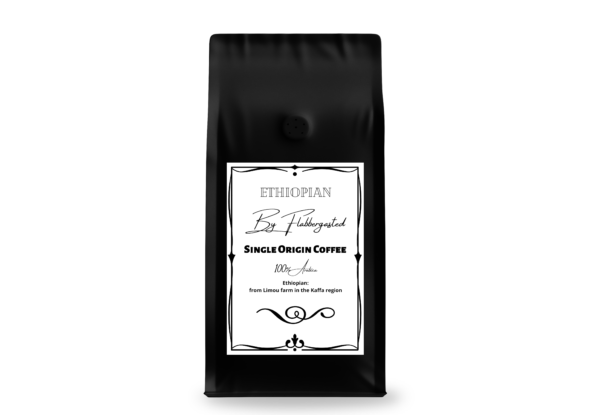
When shipment allows you travel by mug
There's a love to regional taste that delivery makes sensible. One winter season I ran a tasting built around elevation. A Peru great deal from 1,400 meters, a Guatemala from 1,700, and an Ethiopia from over 2,000. Same medium-light roast degree. The Peru offered toffee and almond with smooth level of acidity. The Guatemala presented apple brightness and chocolate. The Ethiopia was all citrus peel and florals with a light body. Not a controlled experiment, yet close sufficient to feel those altitude shifts. The distribution tag was a plane ticket I didn't need to book.
Some shipment solutions offer origin-themed months. If you can change your strategy to "Africa month" or "Americas month," do it. Your taste buds finds out relationally. You don't just learn what a Kenya tastes like, you find out how a Kenya contrasts with a Colombia, and how both shift when processed in different ways or baked a notch darker.
The straightforward math of price and waste
Gourmet Coffee Beans Delivery can run from 15 to 30 bucks per 12-ounce bag, with uncommon whole lots commanding a lot more. If you brew 20 grams per morning, a bag lasts around 17 days. Weekly distributions are for houses or espresso canines. For a lot of filter enthusiasts, 2 bags a month is an excellent tempo. Be careful of hoarding. If you accumulate 4 bags due to the fact that you got click-happy, freeze the extras. Tossing out stale beans costs greater than shipping.
When you're calling in coffee or a new mixture technique, you will squander coffee. Call it tuition. Maintain waste tiny by making organized changes. Adjustment one point each time: grind, temperature, ratio. For filter, taste small mixtures of 12 to 15 grams instead of 30. If a coffee refuses ahead together after 5 attempts, cup it to recognize the underlying profile. In some cases the beans are baked or underdeveloped, and no method solutions that.
What to tell your roaster
Treat your roaster like a sommelier, not a vending maker. Excellent roasters love feedback and love constraints a lot more. Inform them your brew method, grinder, water approach, favored flavor instructions, and tolerance for acidity. "I make V60 with a flat-burr mill, filtered low-alkaline water, I like citrus and florals but do not want sourness, and milk drinks are occasional" is data they can collaborate with. They could steer you towards a specific washed Ethiopian lot this month and a delicate Colombia next month.

If a coffee missed for you, define exactly how. "Tasted papery and thin also at a finer grind with greater temp water" is actionable. They could suggest a grind modification, a different dripper, or swap you a bag if they believe you hit a dud. Roasters desire repeat consumers that speak the same language.
A basic home flight to attempt this month
Here's a portable two-step tasting plan you can keep up Coffee Beans Delivered. It suits a Saturday early morning and teaches a lot quickly.
- Order three coffees: a washed Ethiopia, a natural Brazil, and a cleaned Colombia. Maintain roast degrees in the light to tool range and get them baked within the same week. Objective to make them on day 5 to 12 after roast. Brew each as a 1:16 pour-over at 94 Celsius using the exact same dripper and filter. Grind to hit a complete mixture time of around 3 minutes. Preference side-by-side, keeping in mind at hot, cozy, and great phases. Then, later on that day, cup the exact same coffees immersion-style at 12 grams to 200 grams water to compare exactly how flavors transform with method.
I've watched this trip transform "I just like coffee" close friends right into geeks that can instantly verbalize why they choose a Colombia on weekdays and conserve the Ethiopia for slow Sundays. The Brazil commonly unlocks the understanding of body and sweetness, while the Ethiopia makes clear level of acidity and aromatics. The Colombia bridges both.
When shipment comes to be ritual
After a couple of months of tastings, patterns emerge. You quit chasing summaries like "strawberry milkshake or smoothie" and begin chasing after equilibrium, texture, and repeatability. You find out that a Kenya with tomato fallen leave on the nose may taste wonderful with a somewhat higher dosage, which a Sumatra you once rejected flowers in the French press. You discover your own taste buds in seasons. Summertime might be citrus and florals, wintertime could be sugar and spice.
Coffee Beans Provided changes the cadence of your kitchen. The buzzer rings, and you open up a bag that has traveled from a farm with a roaster's hands to yours. The beans are perishable, but the skill sticks. You can make choices that fit your preference, the weather condition, the visitor at your table. That's not cheating the café ritual, it's mastering your own.
A few small facts I trust
There are a handful of policies I hold freely, but they have actually saved me money and maintained tastings clean.
- Always taste a brand-new coffee straight, black, before you add milk or sweetener. Then enjoy it however you like. If a coffee isn't pleasing by day 14, ice up the remainder and return with fresh eyes. Your palate changes; in some cases the break helps. Keep one soothing day-to-day enthusiast in the rotation. Flights feel sharper when you have a baseline. Let the bag rest a day after shipping. Resonance and temperature level swings can make a coffee taste unsettled right out of the box. If a sampling goes laterally, don't blame every little thing however the beans. In some cases a coffee simply isn't for you. That's understanding gained, not cash wasted.
In the end, home tastings thrive on interest, not devices. A kettle, a range, a burr mill, clean water, and excellent beans get you most of the method there. The rest is interest. Whether you purchase from a solitary roaster across town or make use of a Gourmet Coffee Beans Delivery service that curates whole lots from five continents, get particular regarding what you like, maintain notes, and circle back to the hits. You'll develop a map of your preference that fits your mornings far better than any café menu. And you won't miss out on the barista's hiss, since your own kettle will certainly begin to sound like music.